The Struggles and Resilience of Ahwazi Women

International Women’s Day is a global celebration of the social, economic, cultural, and political achievements of women. It serves as a reminder of the progress made toward gender equality and the work that still lies ahead. In this context, it is crucial to highlight the plight of Ahwazi women, who continue to face significant challenges and oppression in Iran.
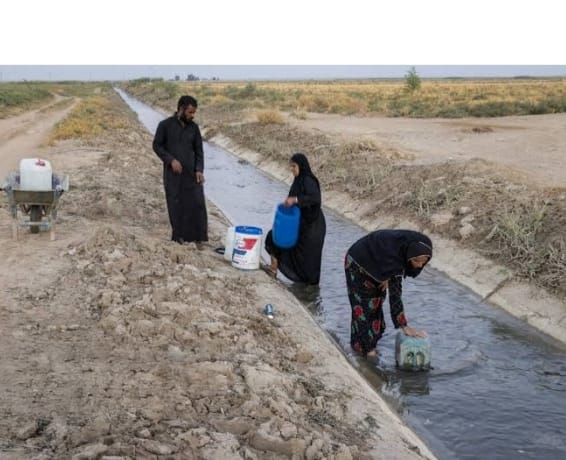
Ahwazi women, as part of the Ahwazi Arab minority, endure systemic discrimination that combines gender-based oppression with ethnic and political marginalization. They are often denied access to education, employment, and healthcare, and their cultural and linguistic identities are frequently suppressed. Many Ahwazi women live in poverty, facing harsh restrictions that limit their ability to participate fully in society.
Furthermore, Ahwazi women who advocate for their rights risk severe consequences, including imprisonment, harassment, and violence. Their voices are systematically silenced, and they are often excluded from decision-making processes at all levels. Despite these challenges, Ahwazi women continue to demonstrate remarkable resilience, courageously pushing for justice and equality in the face of immense adversity.
The importance of freedom for Ahwazi women cannot be overstated. It is a fundamental human right that impacts not only their lives but also the broader struggle for justice and equality in Iran. By empowering Ahwazi women and amplifying their voices, society can benefit from their perspectives, talents, and leadership, fostering a more inclusive and equitable future.
As we celebrate International Women’s Day, it is vital to acknowledge and support the ongoing efforts of Ahwazi women in their fight for freedom, dignity, and human rights. Recognising their struggle and advocating for their rights is a crucial step toward achieving true gender and social justice.
Hossein Bouazar originates from Ahwaz and stands as a fervent champion for human rights. Deeply connected to his Ahwazi Arab heritage, his literary works illuminate the adversities faced by this community. An outspoken critic of the Iranian regime, Hossein bravely highlights the grave human rights violations inflicted upon the Ahwazi Arabs. Through his compelling narratives, he seeks to amplify international consciousness of the challenges the Ahwazi Arabs encounter. His prose resonates as a defiant call for a world that upholds the inherent rights of every individual, irrespective of their ethnic roots or background.
Ahwazi Centre for Human Rights